Individual Artisan ✓ Verified by Apni Kala
INDIA Trotter
Bangalore, Karnataka
The Story Behind: We bring you arts from West Bengal's Birbhum district. Known for intrinsic art, this is a must have.
Specialities: Men & Children’s Handloom Textiles . Traditional Paintings
Creations: These are handcrafted pieces available for purchase, either as displayed or customized to suit your requirements.
Collections: These showcase designs, inspirations, and artistic expressions from my craft journey. Explore them in the Gallery section.
The Art Forms I Work On
Ajrakh
Why I love it: Ancient block-printing tradition known for geometric patterns and natural dyes.
What makes it special: Traditional Ajrakh printing can involve over 16 stages.
The art is inspired from: Practiced for centuries by artisan communities in Kutch.
It is known for: Indigo and madder natural dye printing.
View Creations
Bagru Print
Why I love it: Traditional hand block printing using natural dyes and mud resist.
What makes it special: Bagru printing relies heavily on natural ingredients.
The art is inspired from: Originated in the Bagru village near Jaipur.
It is known for: Earthy tones and floral block motifs.
View Creations
Bead Work
Why I love it: test test Ancient block-printing tradition known for geometric patterns and natural dyes.
View Creations
Blue Pottery
Why I love it: Distinctive pottery craft known for blue floral motifs.
What makes it special: Blue Pottery is made without traditional clay.
The art is inspired from: Influenced by Persian ceramic traditions.
It is known for: Glazed decorative pottery.
View CreationsDabu Print
Why I love it: Mud-resist hand block printing tradition from Rajasthan.
What makes it special: Dabu printing uses a special mud paste resist.
The art is inspired from: Practiced by artisan communities for generations.
It is known for: Indigo dyeing and resist techniques.
View CreationsIkat
Why I love it: Resist-dye weaving tradition where threads are dyed before weaving.
What makes it special: Ikat patterns are created before the fabric is woven.
The art is inspired from: An ancient textile technique practiced across India.
It is known for: Blurred geometric and intricate woven patterns.
View CreationsJamdani
Why I love it: Fine muslin weaving with intricate motifs.
What makes it special: Jamdani weaving is recognised by UNESCO.
The art is inspired from: Tracing roots to ancient Bengal weaving traditions.
It is known for: Lightweight woven motifs.
View CreationsJute Craft
Why I love it: Natural fibre weaving tradition using jute.
What makes it special: Jute is known as the ‘golden fibre’.
The art is inspired from: Linked to Bengal’s riverine economy.
It is known for: Eco-friendly woven products.
View CreationsKundan
Why I love it: Traditional gemstone jewelry setting technique.
What makes it special: Kundan jewelry uses highly refined gold foil.
The art is inspired from: Associated with royal Indian jewelry.
It is known for: Polki gemstone craftsmanship.
View CreationsMadhubani
Why I love it: Traditional folk painting known for intricate linework and symbolism.
What makes it special: Madhubani art was traditionally painted on mud walls.
The art is inspired from: Originated in the Mithila region.
It is known for: Mythological and nature-inspired paintings.
View CreationsPaithani
Why I love it: Handwoven silk saree tradition from Paithan.
What makes it special: Paithani sarees were once traded internationally.
The art is inspired from: Dating back over 2,000 years.
It is known for: Peacock and floral woven motifs.
View CreationsPattachitra
Why I love it: Scroll painting tradition with mythological themes.
What makes it special: Pattachitra artists traditionally made their own natural colors.
The art is inspired from: Dates back to temple art traditions.
It is known for: Detailed storytelling paintings.
View CreationsPhulkari
Why I love it: Colorful embroidery tradition from Punjab.
What makes it special: Phulkari means 'flower work'.
The art is inspired from: Historically practiced during weddings and celebrations.
It is known for: Bright floral embroidery.
View CreationsBandhani
Why I love it: Traditional tie-dye textile craft with tiny dotted patterns.
What makes it special: A single Bandhani saree may contain thousands of tiny knots.
The art is inspired from: Practiced in western India for centuries.
It is known for: Intricate tie-and-dye patterns.
View CreationsBatik
Why I love it: Wax-resist dyeing technique adapted into Indian textiles.
What makes it special: Every crack in batik creates a unique pattern.
The art is inspired from: Influenced by Indonesian textile traditions.
It is known for: Wax layered handcrafted patterns.
View CreationsGond
Why I love it: Tribal art tradition using dots and intricate patterns.
What makes it special: Gond paintings often depict animals and forests.
The art is inspired from: Practiced by the Gond tribal community.
It is known for: Nature-inspired storytelling art.
View CreationsKantha
Why I love it: Running-stitch embroidery tradition created from layered old fabrics.
What makes it special: Kantha embroidery traditionally reused old sarees.
The art is inspired from: Rooted in rural Bengal households for generations.
It is known for: Minimal stitch patterns and storytelling motifs.
View CreationsTerracotta
Why I love it: Ancient baked clay craft tradition.
What makes it special: Terracotta is among the oldest art traditions in India.
The art is inspired from: Tracing origins to the Indus Valley Civilization.
It is known for: Handcrafted clay sculptures.
View CreationsBanarasi Weaving
Why I love it: Luxurious silk weaving tradition from Varanasi.
What makes it special: Banarasi sarees are prized wedding heirlooms.
The art is inspired from: Patronised during the Mughal era.
It is known for: Rich zari and brocade work.
View CreationsBidri
Why I love it: Metal inlay craft with silver work on blackened alloy.
What makes it special: Bidriware gets its black finish from special soil.
The art is inspired from: Introduced during the Bahmani Sultanate.
It is known for: Silver inlay craftsmanship.
View CreationsChannapatna Toys
Why I love it: Lacquered wooden toy-making tradition.
What makes it special: Natural vegetable dyes are traditionally used.
The art is inspired from: Dating back to Tipu Sultan’s era.
It is known for: Bright eco-friendly wooden toys.
View CreationsLeheriya
Why I love it: Wave-pattern tie-dye textile tradition.
What makes it special: Leheriya patterns resemble flowing desert waves.
The art is inspired from: Popular among Rajput communities historically.
It is known for: Diagonal wave-like dye patterns.
View CreationsSujani
Why I love it: Narrative embroidery tradition from Bihar.
What makes it special: Sujani embroidery often depicts village life.
The art is inspired from: Historically created for ceremonial quilts.
It is known for: Storytelling through threadwork.
View CreationsChikankari
Why I love it: Traditional white embroidery known for delicate floral motifs and fine handwork.
What makes it special: Chikankari was once patronised by Mughal royalty.
The art is inspired from: Believed to have flourished during the Mughal era.
It is known for: Elegant hand embroidery on soft fabrics.
View Creations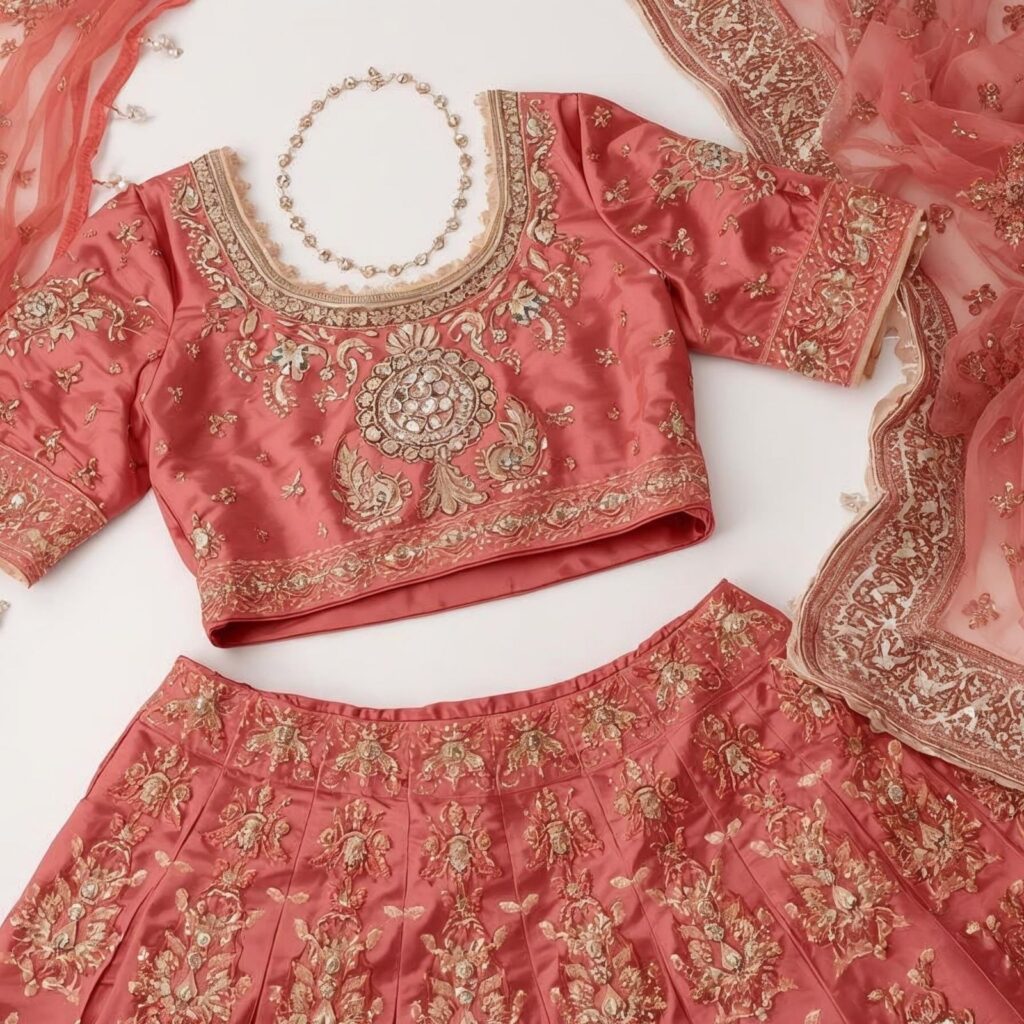
Kalamkari
Why I love it: Hand-painted and block-printed textile art using natural dyes.
What makes it special: Kalamkari literally means 'pen craftsmanship'.
The art is inspired from: Dates back to ancient temple storytelling traditions.
It is known for: Narrative motifs and mythological themes.
View CreationsKasuti
Why I love it: Traditional counted-thread embroidery from Karnataka.
What makes it special: Kasuti stitches are identical on both sides of the fabric.
The art is inspired from: Practiced historically by women in North Karnataka.
It is known for: Symmetrical hand embroidery.
View CreationsPatola
Why I love it: Double ikat silk weaving tradition from Patan.
What makes it special: A genuine Patola saree can take months to weave.
The art is inspired from: Historically woven for royal families.
It is known for: Complex symmetrical weaving.
View CreationsBlock Printing
Why I love it: Traditional textile printing using carved wooden blocks.
What makes it special: Each color layer uses a separate wooden block.
The art is inspired from: One of India’s oldest textile techniques.
It is known for: Hand-carved repetitive motifs.
View CreationsSanganeri Print
Why I love it: Fine floral hand block printing known for detailed patterns.
What makes it special: Sanganeri prints were once exported to Europe.
The art is inspired from: Originated in Sanganer near Jaipur.
It is known for: Delicate floral motifs and bright colors.
View CreationsToda Embroidery
Why I love it: Distinct red and black embroidery practiced by the Toda tribe.
What makes it special: Toda embroidery is often called 'embroidery without needles'.
The art is inspired from: Indigenous craft of the Nilgiri hills.
It is known for: Geometric tribal embroidery.
View CreationsFeatured Creations
View All Creations →Discover More
- Chikankari
- Sandalwood Craft
- Channapatna Toys
- Molela Clay Art
- View All Art Forms →
- Women’s Handloom Textiles
- Kitchen to Dining Table
- Local Handicrafts
- Traditional Paintings
- View All Creations →
- Artisan Footwear
- View All Collections →